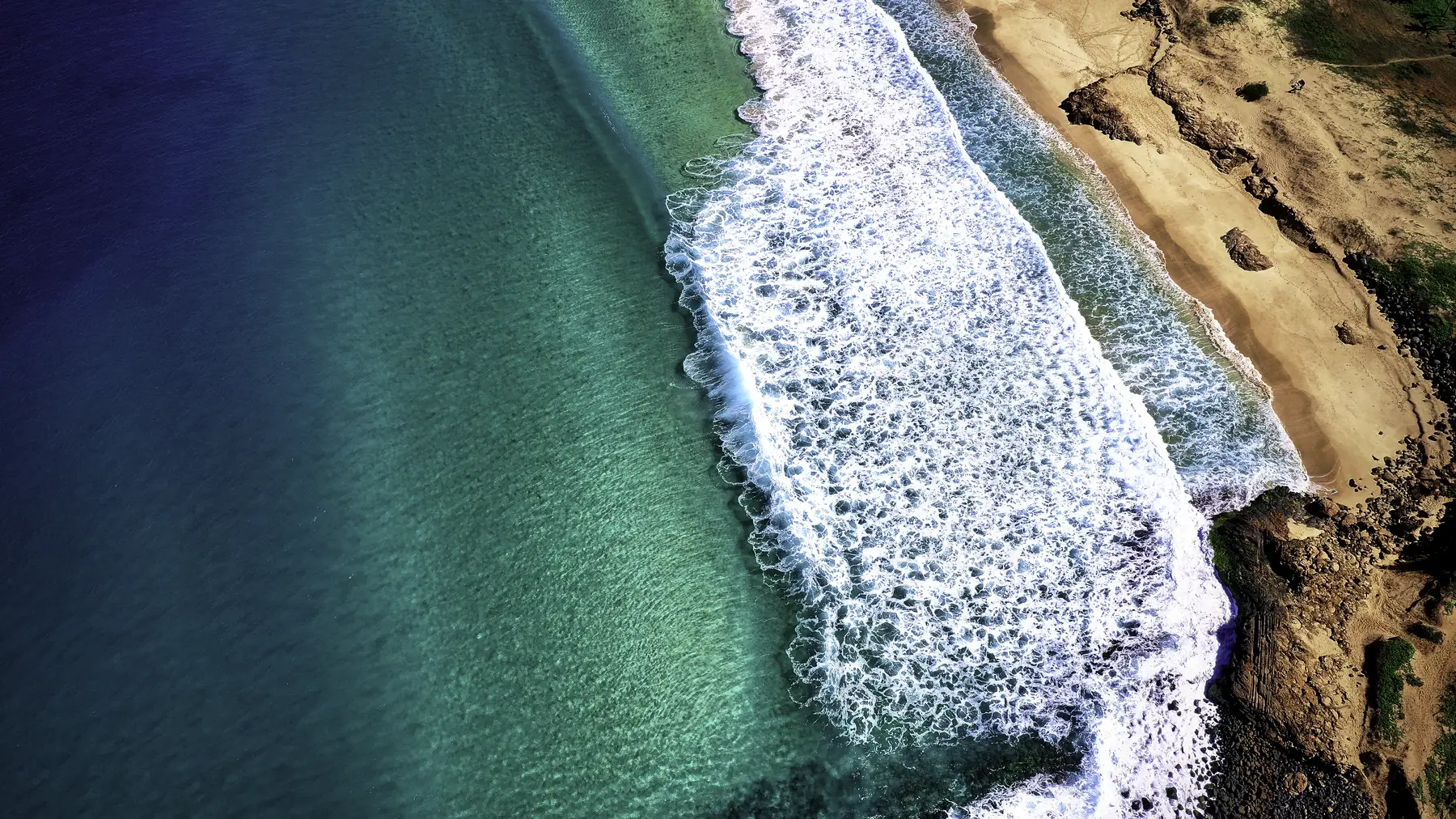
Aerial view of surf rolling onto a Molokaʻi beach

Island guide

Living on Molokaʻi

Whether you’re buying, selling, relocating or just curious, here’s what we wish everyone knew about life on the Friendly Isle — from getting here and getting around to the rules that shape island real estate.

The island

Hawaiʻi at its own pace

Molokaʻi is the least developed of Hawaiʻi’s major islands — known for its slower pace, strong local culture and lack of high-rise resorts. There isn’t a single traffic light, and the sense of community is something people feel the moment they arrive.

Many families here have lived on the island for generations, and a large share of residents have Native Hawaiian ancestry. Traditions of aloha, ʻohana and caring for the land run deep. It’s why Molokaʻi is called the Friendly Isle — and why the people who thrive here are the ones who come to be part of the community, not to change it.

38 × 10miles, end to end and side to side
0traffic lights on the island
~25 minflight from Honolulu
4,961 ftKamakou, the island’s highest peak

Where to live

Four regions, each with its own character

Molokaʻi changes dramatically from west to east — in climate, landscape and the kinds of property you’ll find. Here’s a quick tour.

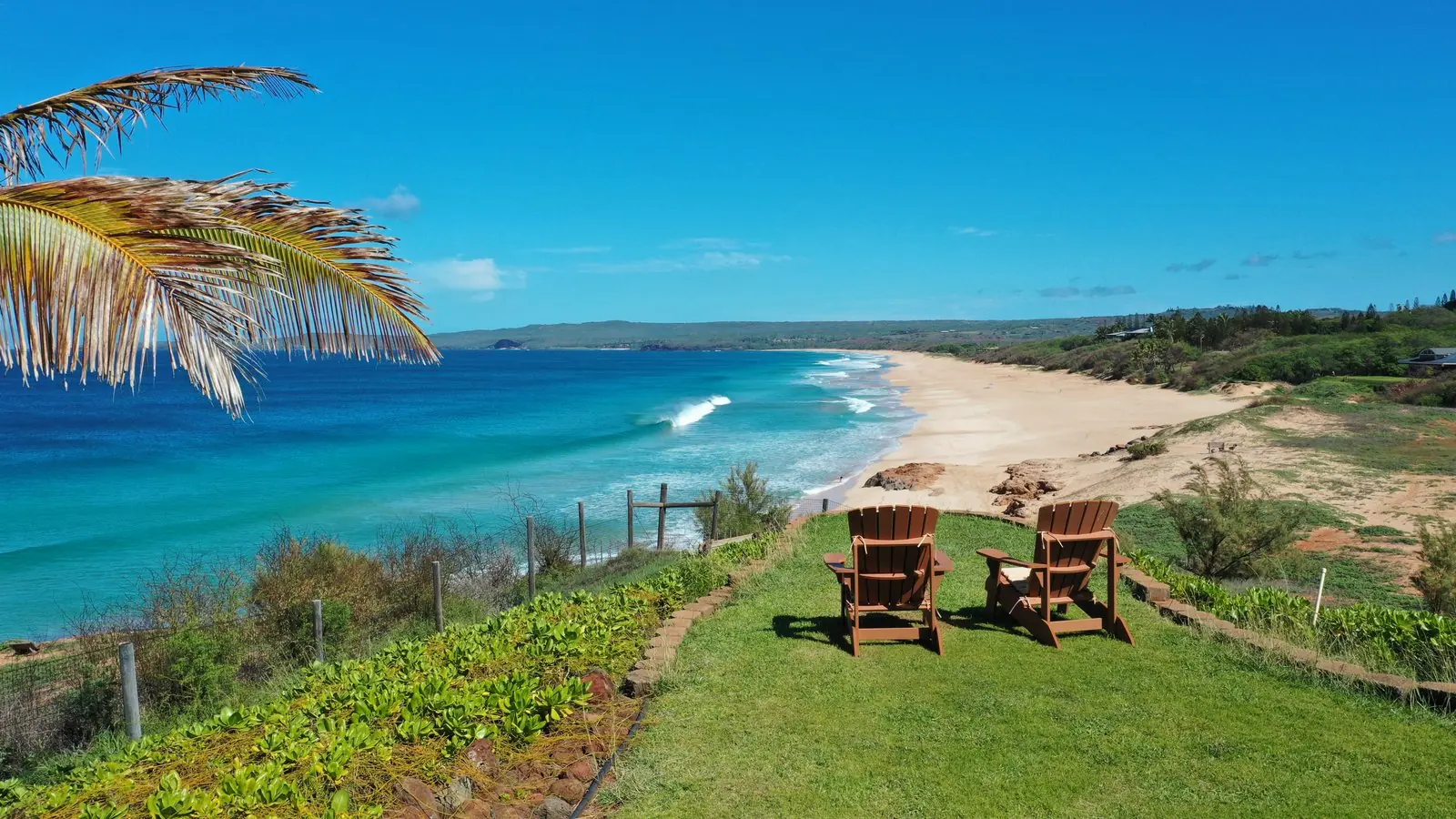
Two chairs on a grassy bluff overlooking a long white-sand beach on Molokaʻi’s West End

Maunaloa · Kaluakoʻi · Pāpōhaku

West End

Sunny, dry and breezy, the West End is home to some of Hawaiʻi’s widest white-sand beaches — including Pāpōhaku, nearly three miles long. You’ll find oceanfront condo communities at Kaluakoʻi, large ranch-land parcels with big sunset views, and the old plantation town of Maunaloa up the hill. On clear days, Oʻahu floats on the horizon.

  • Condos including Ke Nani Kai, Paniolo Hale and Kepuhi Beach Resort
  • Ocean-view acreage with room to spread out
  • Sunsets over the Kaiwi Channel
West End properties
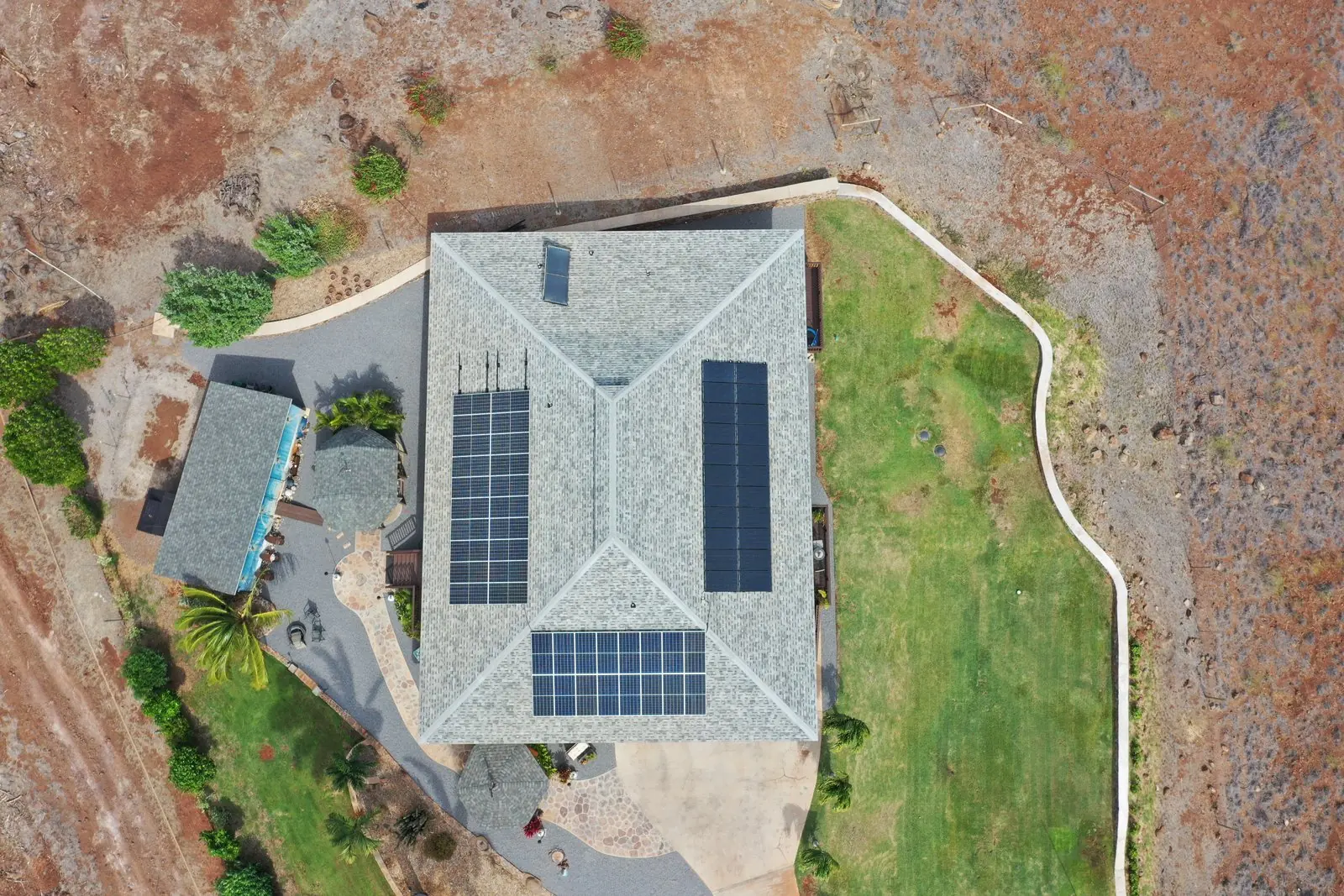
Overhead view of a home with rooftop solar surrounded by red Molokaʻi earth

Hoʻolehua · Kualapuʻu · Kalaʻe

Central & Upcountry

Up on the central plateau, the air is cooler and the soil is a deep volcanic red. This is Molokaʻi’s farm country — home to the airport, Molokaʻi Middle and High School, Hawaiian Homestead communities and agricultural lots with room to grow. Kalaʻe sits higher still, near the Kalaupapa Lookout, with misty mornings and ironwood-lined roads.

  • Hawaiian Homestead communities in Hoʻolehua
  • Agricultural lots and small farms
  • Pālāʻau State Park and the Kalaupapa Lookout
Central & Upcountry properties
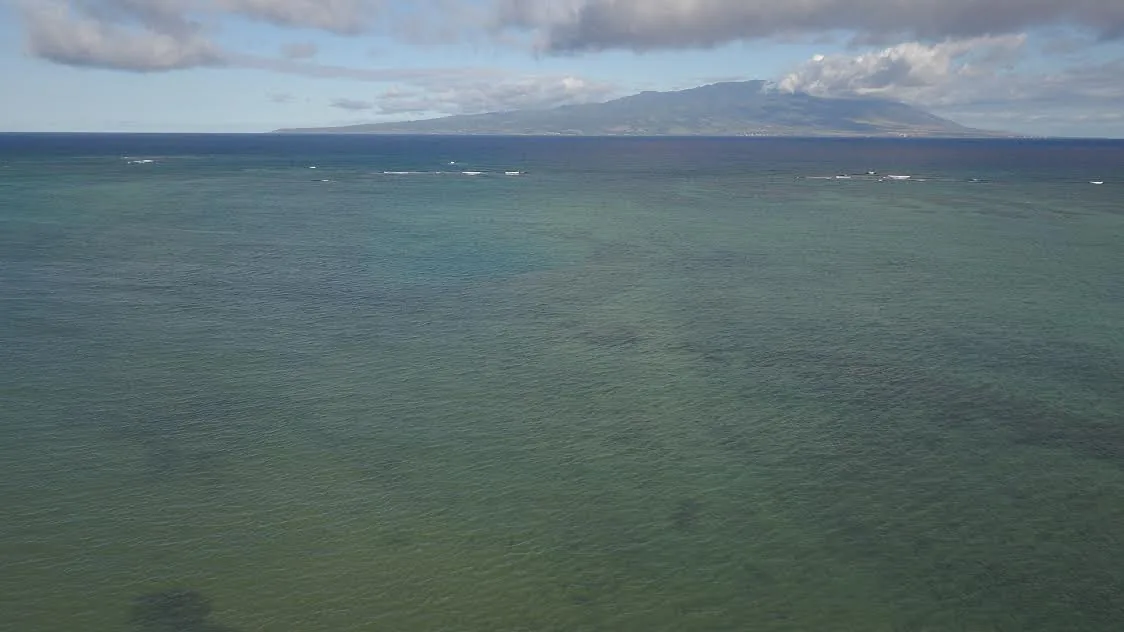
Calm reef-flat waters off Molokaʻi’s south shore with a neighbor island on the horizon

Kaunakakai · Kawela · Kamiloloa

Kaunakakai & South Shore

Kaunakakai is Molokaʻi’s main town and the center of daily life: grocery stores, the post office, banks, the hospital, the harbor and the Saturday morning market. South-shore neighborhoods on either side of town look across calm reef flats toward Lānaʻi and Maui, and many homes are just minutes from everything you need.

  • Shops, services and the Saturday market
  • Molokaʻi General Hospital
  • Views across the reef to Lānaʻi and Maui
Kaunakakai & South Shore properties
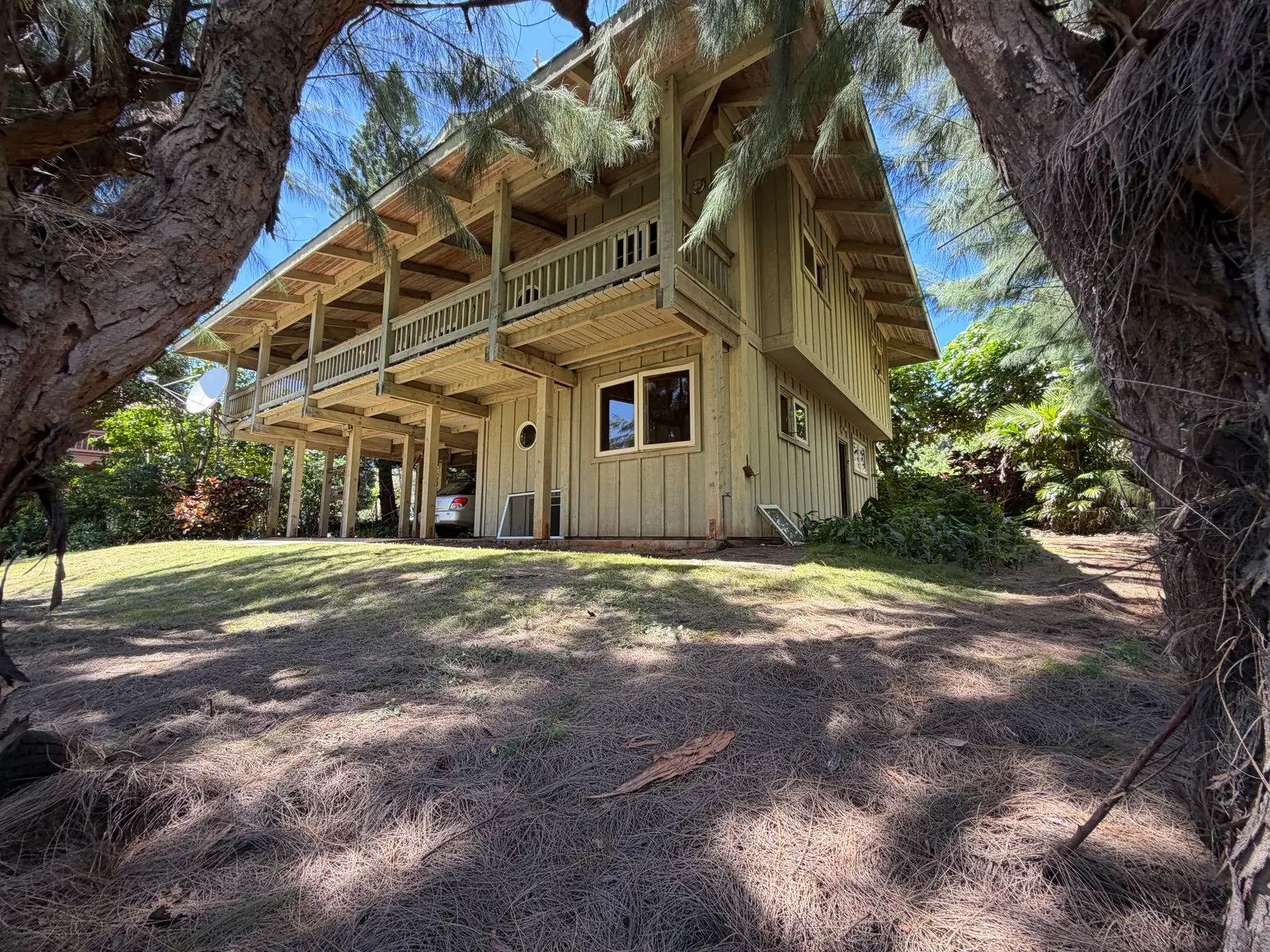
Two-story plantation-style home with wraparound lanai under large shade trees

Kamalō · Pūkoʻo · Hālawa

East End (Manaʻe)

Past Kawela, Kamehameha V Highway follows the shoreline past ancient Hawaiian fishponds, historic churches and oceanfront homes, then winds up and over to Hālawa Valley at the end of the road — one of the oldest settled places in Hawaiʻi. The East End is greener and quieter, with morning sun and trade-wind showers.

  • Ancient fishponds (loko iʻa) along the shore
  • Churches built by Saint Damien
  • Wavecrest condominiums
East End properties

Getting here & around

Island logistics

Flights

Molokaʻi Airport (MKK) in Hoʻolehua has short commuter flights to and from Honolulu and Kahului, Maui. There’s currently no ferry service to the island.

Barge

Cars, household goods and building materials arrive by Young Brothers barge at Kaunakakai Harbor.

Getting around

You’ll want a car. Maunaloa Highway (460) heads west, Kamehameha V Highway (450) runs east along the south shore, and Kalaʻe Highway (470) climbs up-country.

Vacation rentals

Short-term rentals: what’s allowed

Molokaʻi has some of the strictest short-term rental rules in Maui County. Most residential homes cannot legally be used as vacation rentals. A limited number of resort-zoned condos — including Wavecrest and Ke Nani Kai — currently retain short-term rental rights.

Those rights are scheduled to end. Maui County’s Bill 9, signed into law in December 2025, phases out short-term rentals in apartment-zoned districts. Outside West Maui, including on Molokaʻi, the deadline is January 1, 2031. Long-term rentals of 180 days or more are generally allowed.

Considering rental income? Verify a property’s specific zoning and permit status before you buy. We’ll help you check.

Read Maui County’s Bill 9 overview

Hawaiian Home Lands

Homestead land, explained

Molokaʻi was home to some of the first Hawaiian homesteads in the 1920s, and much of central Molokaʻi — including Hoʻolehua, Kalamaʻula, Kapaʻakea and Oneʻaliʻi — is still Hawaiian Home Lands, administered by the Department of Hawaiian Home Lands (DHHL).

  • Who can hold a lease: native Hawaiians as defined by the Hawaiian Homes Commission Act (generally 50% or more Hawaiian ancestry, with some exceptions for successors).
  • How transfers work: a lessee can transfer a lease to a qualified beneficiary, and every transfer needs DHHL approval.
  • What it means for price: because of these restrictions, homestead properties usually sell for less than comparable fee-simple homes.

If you’re a beneficiary, we can help you navigate a homestead purchase. If you’re not, we’ll make sure you always know which properties are fee simple.

Cost of living

The trade-offs of island life

Because nearly everything is shipped or flown in, day-to-day costs on Molokaʻi run higher than the mainland average — groceries, fuel and electricity especially. Many residents value the trade-off for the island’s privacy, natural beauty and close-knit community, and balance the costs by growing food, fishing, sharing with neighbors and running solar.

On the plus side, Hawaiʻi’s property tax rates are among the lowest in the nation, and owner-occupants may qualify for Maui County’s homeowner exemption.

Water, power & internet

The practical stuff

Water

Service varies across the island — county systems, private utilities and rainwater catchment all exist here. Before you buy, confirm the source, meter and service history.

Power

Molokaʻi runs on its own small grid, and electricity rates are among the highest in the country — which is why so many homes have rooftop solar.

Internet

Options vary by address, from wired service in some areas to fixed wireless and satellite. We’ll check what’s available at any property you’re considering.

Schools & health care

Close to home

Schools

Molokaʻi is served by Hawaiʻi’s statewide public school system, with elementary schools around the island and Molokaʻi Middle and High School in Hoʻolehua. The University of Hawaiʻi Maui College also has a Molokaʻi education center.

Health care

Molokaʻi General Hospital in Kaunakakai provides emergency and inpatient care, alongside a community health center. Specialist care often means a short flight to Oʻahu or Maui.

Community & culture

Living with aloha

Molokaʻi’s community has worked hard to protect its land, culture and way of life. The year is marked by gatherings that bring everyone together — Ka Hula Piko celebrating Molokaʻi as the birthplace of hula, the Molokaʻi Makahiki games, and the world-famous outrigger canoe races that start here and cross the Kaiwi Channel to Oʻahu.

A few tips for newcomers

  • Slow down — on the road and in conversation. Everyone waves.
  • Learn the place names and a little of their history.
  • Respect private land, fishponds and cultural sites.
  • Shop local and get to know your neighbors.

Helpful links

Learn more about Molokaʻi

Have a question about a specific community or property? Contact us — we’re happy to help you understand what life on Molokaʻi is really like.

Let’s talk story

Questions about buying, selling or life on Molokaʻi?

Whether you’re ready to make a move or just starting to dream, we’re happy to help — no pressure, just honest local answers.